Diagnostics
Fluid Leak Diagnostic
Leaks traced to their source and identified by fluid type.
Price
From $120
Signs you need this
- Puddle or spots where you park
- A burning smell after driving
- A fluid level dropping between services
- Smoke or steam from under the hood
The colour and location of a drip tells you a lot: oil, coolant, transmission fluid, brake fluid, and power steering fluid all leak differently and carry very different levels of urgency. A brake fluid leak is a stop-driving problem. A minor oil seep may be something to monitor.
We clean the area, use dye where needed, and find the actual source rather than the lowest point it happens to drip from — those are often far apart.
The price covers the first hour of diagnosis. If more time is needed, we'll let you know before going ahead.
Common questions
How do I tell what's leaking from the colour?
As a rough guide: clear and watery is usually just A/C condensation and harmless, amber to black is engine oil, red or pink is transmission fluid or power steering, green or orange is coolant, and clear-to-slippery at a wheel is brake fluid. We identify it properly rather than guessing from the driveway.
Is it safe to drive with a leak?
It depends entirely on what and how fast. A brake fluid leak means don't drive it. A weeping valve cover gasket can wait. That's the first thing we tell you — an honest read on urgency, before anything else.
How do you find a leak you can't see?
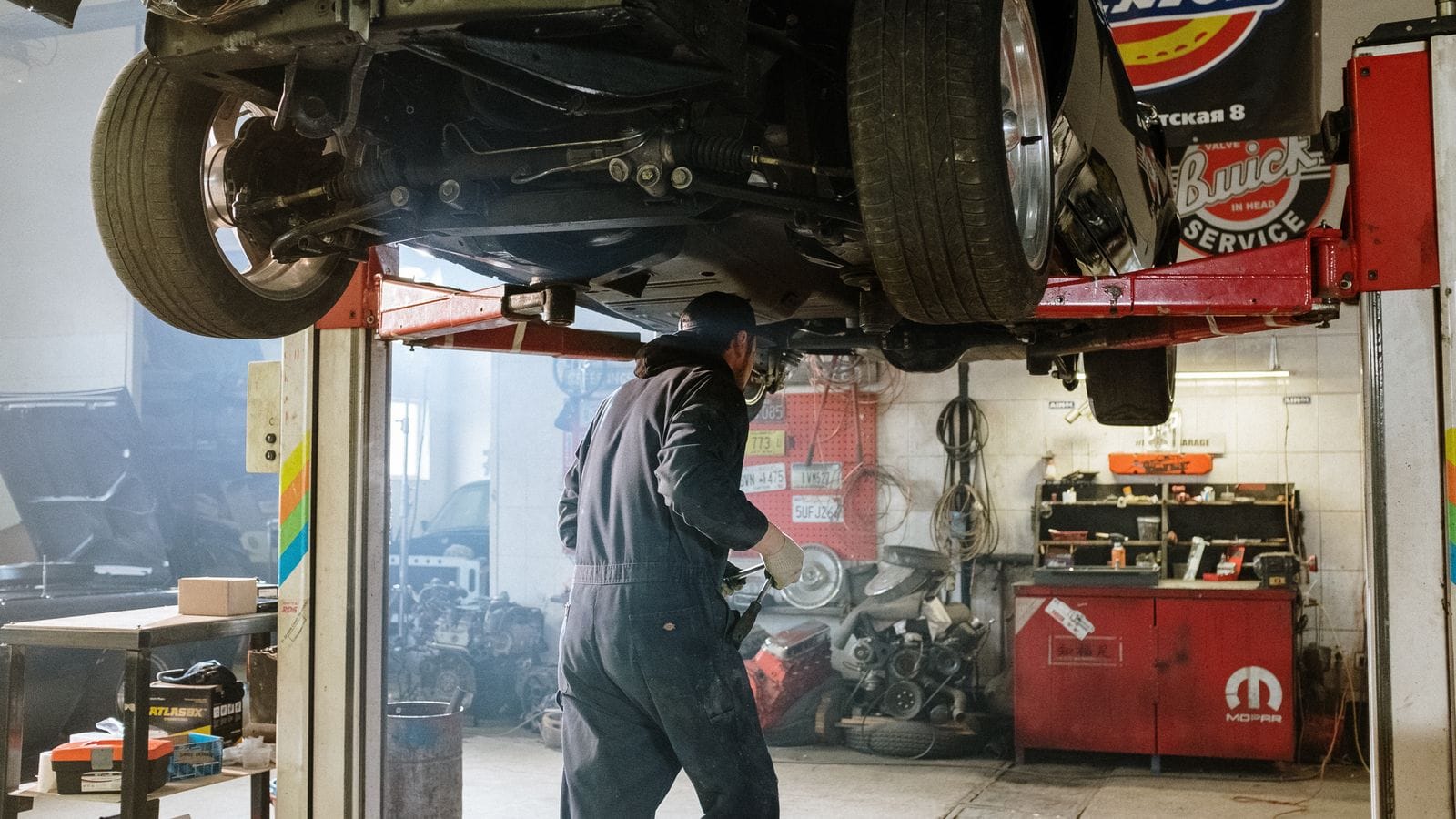
UV dye tracing, pressure testing the cooling system, and time on the hoist with the underbody cleaned first. Leaks travel with airflow, so where the drip lands is rarely where it started.
Something else? Call (647) 436-5940 during shop hours and talk to an advisor.
More diagnostics
Diagnostics
Noise Diagnostic
Squeals, clunks, grinds, and rattles traced to their source.
Diagnostics
Warning Light Diagnostic
Every module scanned and the fault traced before quoting.
Diagnostics
A/C Diagnostic
A/C pressure tested, leaks located, and the system recharged.
Ready when you are
Book online in under a minute, or call the shop and talk to an advisor directly.