Diagnostics
Noise Diagnostic
Squeals, clunks, grinds, and rattles traced to their source.
Price
From $120
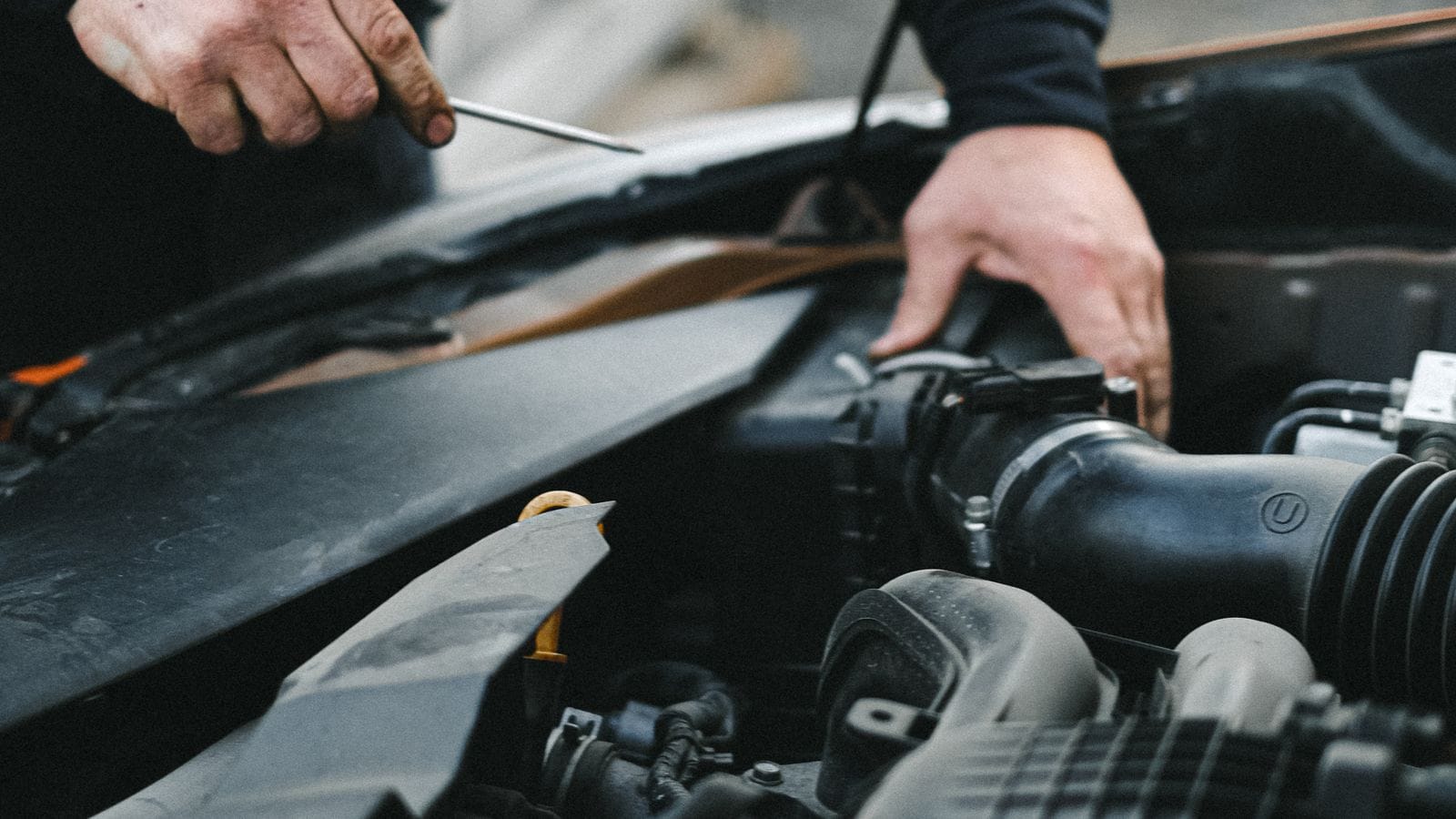
Signs you need this
- A noise that changes with speed, steering, or braking
- Clunking over bumps
- Humming or growling that rises with road speed
- Squealing on startup or when turning
Noises are one of the hardest things to diagnose from the driver's seat, because sound travels through a vehicle and rarely seems to come from where it starts.
The most useful thing you can tell us is *when* it happens — cold or warm, turning or straight, braking or accelerating, over bumps or on smooth road. From there we road-test with you if needed, then get it on the hoist and isolate it properly.
The price covers the first hour of diagnosis. If more time is needed, we'll let you know before going ahead.
Common questions
What information helps you find a noise?
When it happens: cold start or warm, braking or turning, over bumps or at a steady speed, and whether it changes with engine speed or road speed. A phone recording of the noise helps more than any description.
Why can't you just tell me what the noise is over the phone?
Because the same clunk can be a sway bar link, a strut mount, or a ball joint, and those are very different repairs. We road test to reproduce it and isolate it on the hoist so you're quoted for the part that's actually making the noise.
Which noises should I not ignore?
Grinding when braking, a rhythmic hum that rises with road speed, and any knock that gets worse under load. Those tend to be brakes, wheel bearings, and driveline components — the ones that get more expensive and less safe the longer they wait.
Something else? Call (647) 436-5940 during shop hours and talk to an advisor.
More diagnostics
Diagnostics
Warning Light Diagnostic
Every module scanned and the fault traced before quoting.
Diagnostics
A/C Diagnostic
A/C pressure tested, leaks located, and the system recharged.
Diagnostics
Fluid Leak Diagnostic
Leaks traced to their source and identified by fluid type.
Ready when you are
Book online in under a minute, or call the shop and talk to an advisor directly.