Winter tire season gets most of the attention on a Toronto pre-winter checklist, and for good reason. A second item belongs right next to it and almost never makes the list: a brake service. Not new pads, not a repair — a service, the kind that cleans and lubricates the hardware holding your existing brakes together while they're still in good shape.
It's easy to assume brakes are fine until they squeal or grind, at which point it's a repair rather than maintenance. But in this climate, the part that usually fails first isn't the pad or the rotor — it's the small hardware around them, and road salt is what gets to it. Stop-and-go city driving on top of that means Toronto brakes already do more work than the same car would need on a quieter highway commute.
Why Winter Is Hard on Brake Hardware
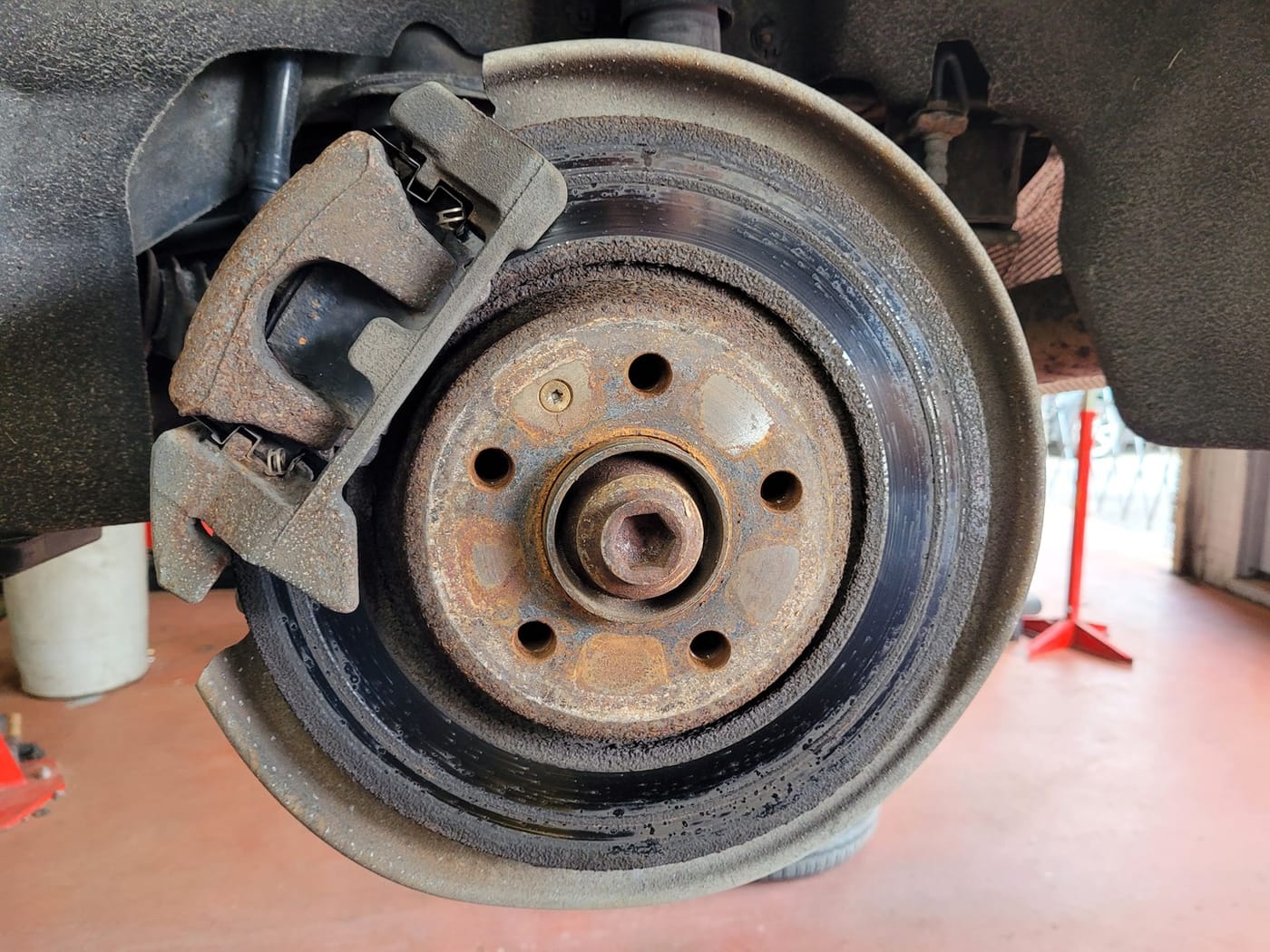
Brake components seize long before they wear out here. Salt and road grime work into the caliper slide pins and pad hardware over a winter of driving on treated roads, and once those pins stop moving freely, the pad they're holding stops moving freely too. It drags against the rotor, wears unevenly, and squeals — not because the brakes are worn out, but because they can't move the way they were designed to.
That's also why one side of a car often wears faster than the other: a seized caliper or corroded slide pin holding one pad harder against the rotor than its partner on the other side. It's a common, and avoidable, consequence of a Toronto winter, and it tends to show up quietly — most drivers notice the noise long before they notice the uneven wear causing it.
Signs You Need a Brake Service, Not Just New Pads
A few signs point specifically at the hardware rather than worn-out friction material:
- Squeal or groan that comes and goes, especially when cold or damp
- Brakes feel like they drag or the car pulls slightly under braking
- A parking brake that doesn't hold as firmly as it used to
- Winter driving on salted roads since the last service
Brake Service vs. Brake Repairs: What's the Difference
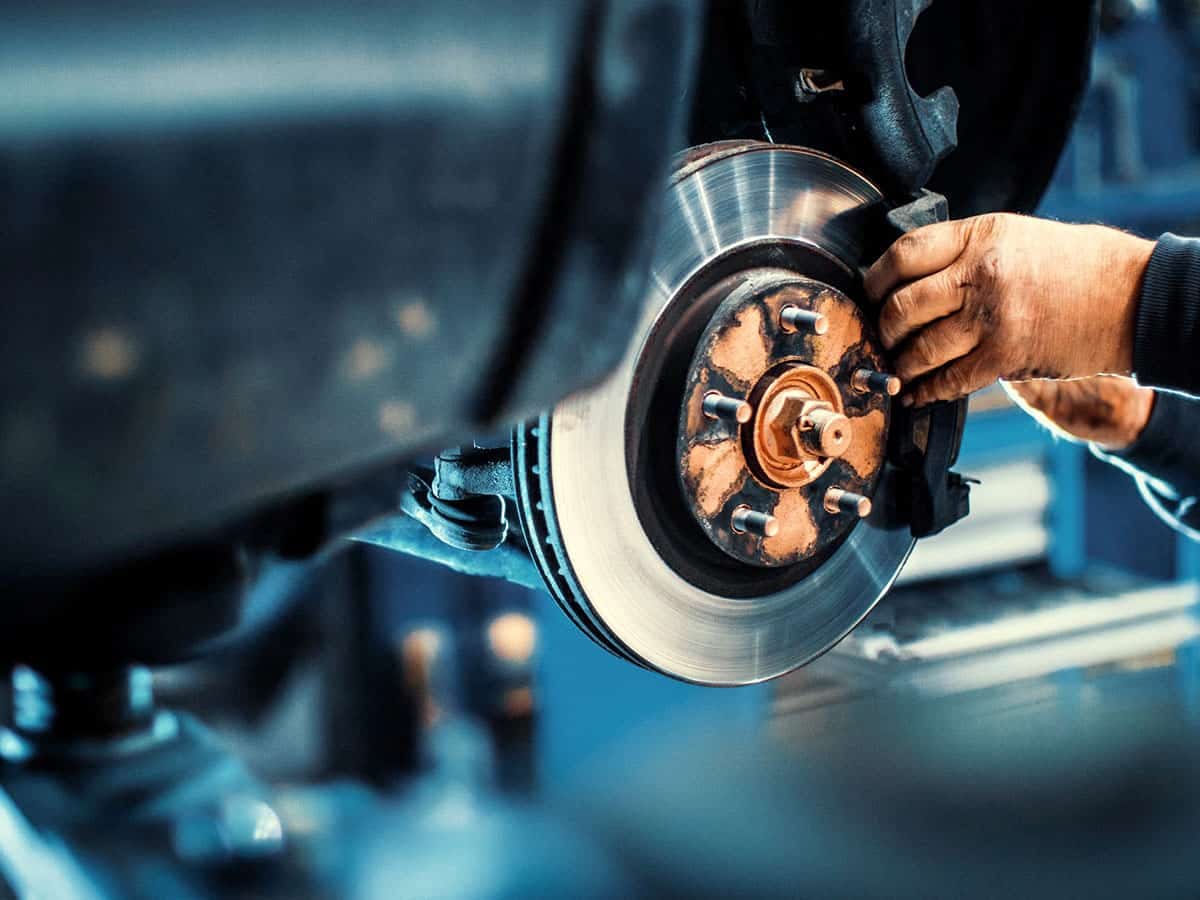
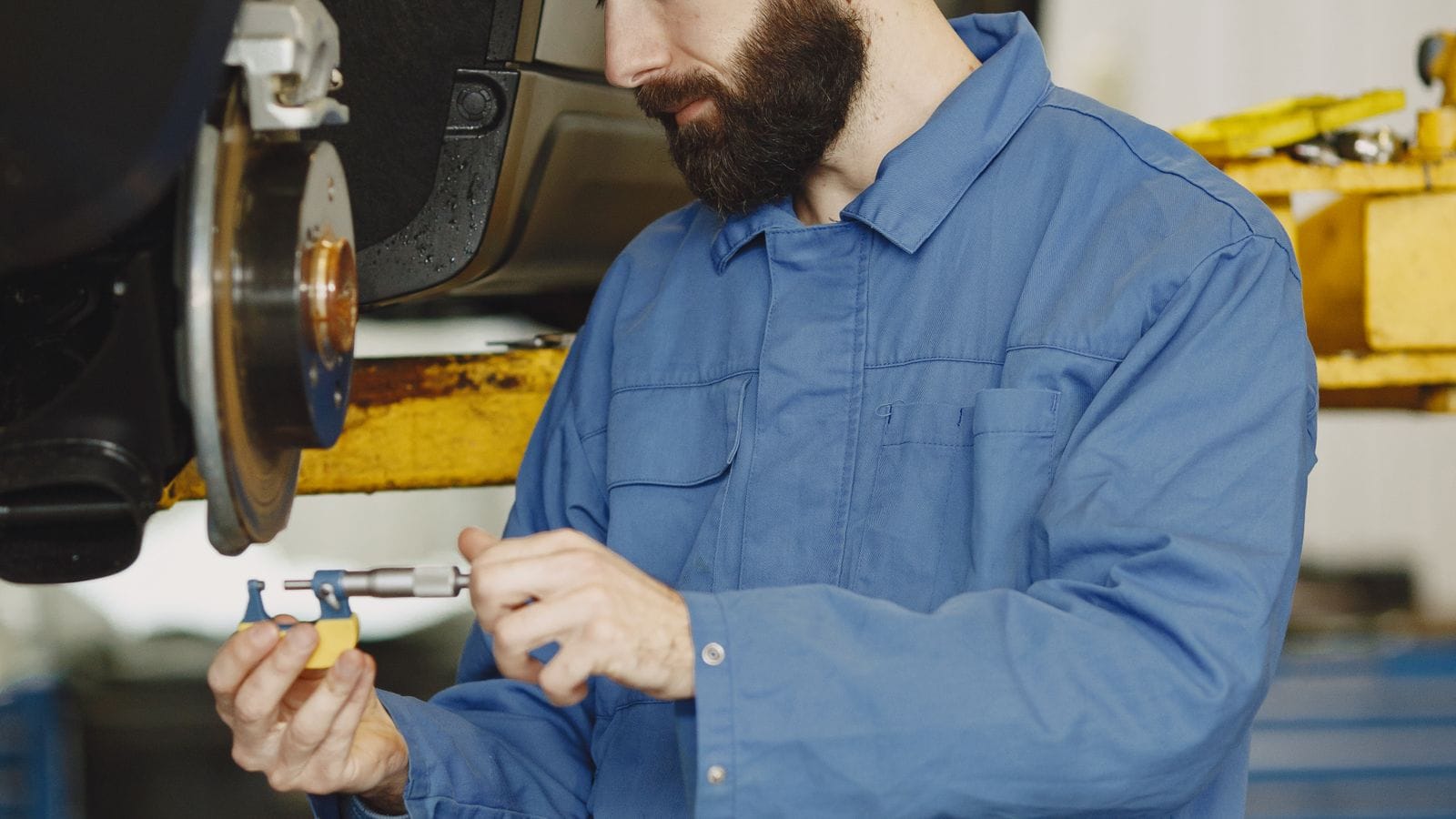
A brake service is maintenance on brakes that are still good: the wheels come off, the calipers and hardware are cleaned, the slide pins and contact points are lubricated, the parking brake is freed off and adjusted, and everything is measured against wear limits and torqued back to specification.
Brake repairs are for brakes that have actually worn past their limits — new pads, rotors, calipers, or brake lines. The two aren't interchangeable: a worn pad needs replacing regardless of how clean the hardware is, and a seized caliper on a brand-new set of pads will wear them unevenly and bring you back sooner than it should have. Regular service is what keeps a repair from coming due ahead of schedule.
What Happens During a Brake Service at Level Auto
A brake service takes the wheels off each axle and works through the hardware that keeps the pads moving freely:
- Wheels off, calipers and hardware cleaned
- Slide pins and contact points lubricated
- Pad and rotor measurement against wear limits
- Parking brake freed off and adjusted
- Torque to specification
If the measurements come back showing a pad or rotor below spec, you'll get a clear quote for the repair before anything comes apart — a service doesn't turn into a repair without you knowing first.
Best Done at Your Winter Tire Changeover
Brake service is recommended once a year, and the sensible time is whenever the wheels are already off the car — which, for most drivers here, is the winter tire changeover. It's one visit instead of two, and it means the hardware going into winter has just been cleaned and lubricated rather than carrying a full season of road grime into the cold.
Why This Matters Once the Roads Are Salted
Stopping distance is already longer on cold pavement, and it gets worse again once salt and slush are involved. Brakes that are already dragging on a seized caliper, or pulling slightly to one side, are starting from a worse position before any of that — and a parking brake that doesn't hold as firmly as it used to is the one most drivers don't think about until they're parked on an icy incline near the Bluffs or on a side street that hasn't been salted yet.
None of this is dramatic on its own. It's exactly the kind of thing that's easy to put off because a slight drag or an intermittent squeal doesn't feel urgent — right up until it's grinding, and a pad that could have been serviced for $120 has worn itself and a rotor down to a repair that costs several times as much.
What It Costs
A brake service at Level Auto starts at $120 per axle. If the measurements turn up a pad or rotor that needs replacing instead, brake repairs carry a $60 fee to inspect and quote the job.
Book Before the Rush
The same weekday appointments that fill up for winter tire changeovers get booked just as fast for the brake service that goes with them. If it's been a year, or you were on salted roads all last winter without having the hardware looked at, now is the easier time to get in — we don't open weekends, so the handful of weekday slots in late October and November go quickly. Booking the two together saves a second trip and means the car only comes off the road once.
Written by the team at Level Auto, Scarborough