Repairs
Brake Repairs
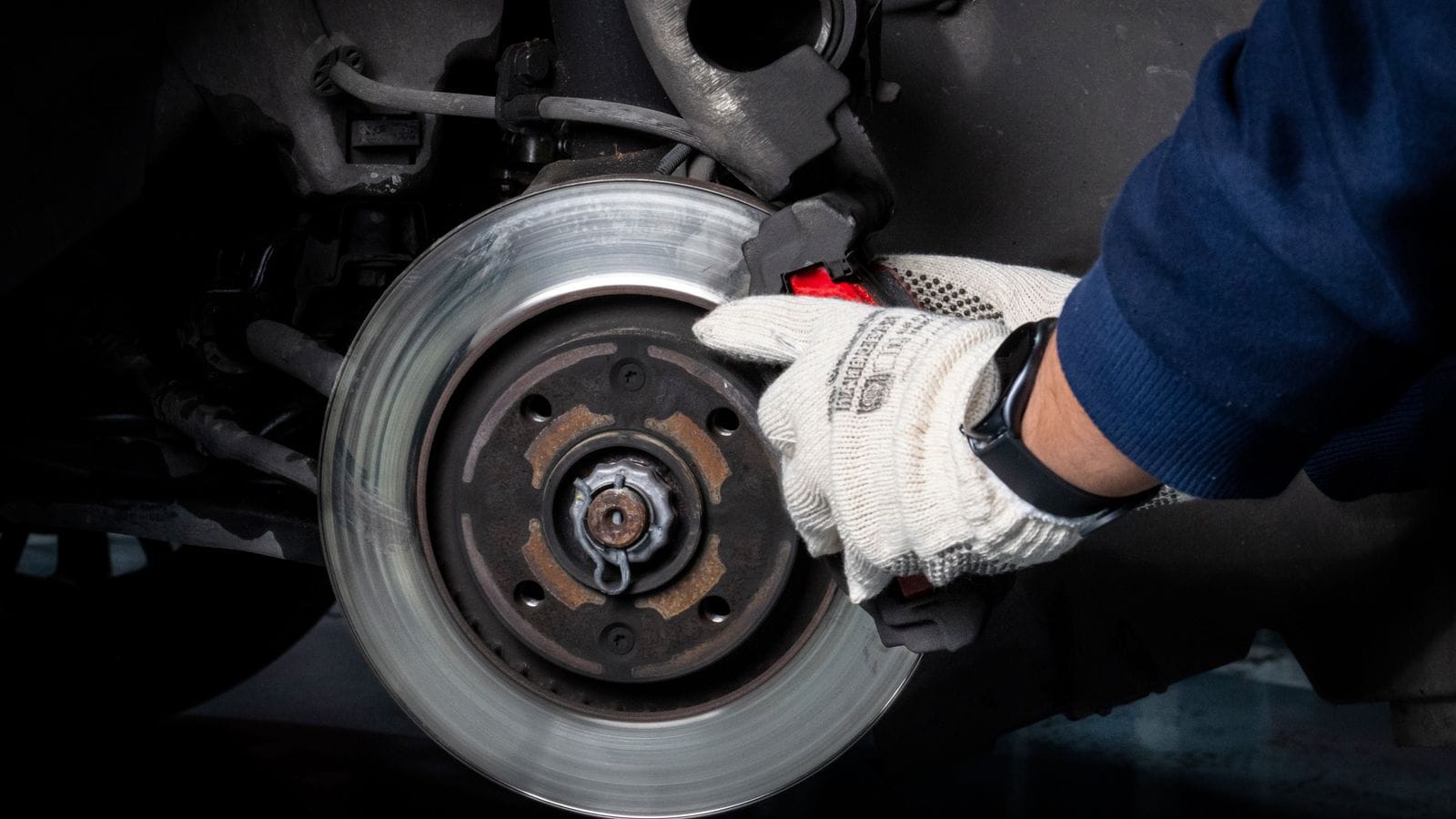
Pads, rotors, calipers, and brake lines measured and replaced.
Price
Inspection $60
Signs you need this
- Squealing, grinding, or scraping when braking
- Pedal feels soft, spongy, or travels further than it used to
- The car pulls to one side under braking
- Steering wheel shakes when you brake from speed
Brakes are the one system where we won't cut a corner. We measure pad thickness and rotor runout rather than guessing, and we'll show you the measurements alongside the wear limits.
If your pads have life left, we'll say so. If they don't, you'll get a clear quote covering parts options before anything comes apart.
Common questions
How do I know when my brakes need replacing?
Squealing that doesn't go away, a grinding noise, a pedal that feels soft or pulses, longer stopping distances, or the car pulling to one side under braking. Grinding means the friction material is gone — stop driving on it and book in.
How long do brake pads last?
Anywhere from 30,000 to 100,000 km depending on how and where you drive. Stop-and-go city driving wears them far faster than highway commuting, and rear brakes on many modern cars wear quicker than people expect.
Do rotors need replacing every time?
No. We measure them against the manufacturer's minimum thickness and replace them when they're below spec, warped, or badly scored. If they measure fine, new pads on good rotors is a perfectly proper repair.
Why is one side wearing faster than the other?
Usually a seized caliper or corroded slide pins holding one pad against the rotor. It's a common consequence of road salt here, and it's why cleaning and lubricating that hardware is part of routine brake service.
Something else? Call (647) 436-5940 during shop hours and talk to an advisor.
From the blog
More on brake repairs
- October 12, 2026Why Your Brakes Need Service Before Winter in Toronto
- February 27, 2024Guide to Brake Replacement at Level Auto: Ensuring Your Safety on the Road
- April 1, 2022How to know if you need brakes?
- March 13, 2022It’s a good idea to replace pads and rotors when doing your brakes!
- October 17, 2021Brake Service: Why Is It Important?
More repairs
Repairs
Suspension Repairs
Shocks, struts, control arms, tie rods, and ball joints replaced.
Repairs
Exhaust Repairs
Mufflers, pipes, flex joints, and converters welded or replaced.
Repairs
General Repairs
Belts, pumps, bearings, axles, and cooling system work.
Ready when you are
Book online in under a minute, or call the shop and talk to an advisor directly.