Toronto gets its real wiper test twice a year — once in the fall, when weeks of steady rain and road spray put worn rubber to the test, and again a few weeks later when freezing rain and sleet show up without warning. Most drivers only think about their wipers once they're already smearing across the windshield on the Gardiner in a downpour, which is the worst possible moment to find out the rubber let go months ago.
A wiper blade replacement is one of the cheapest and fastest things you can have done before winter, and one of the easiest to put off — nothing about a streaky wiper feels urgent until visibility actually matters, at night, in rain, with spray coming off the car ahead of you.
It also gets dark earlier through the back half of autumn, so more of that driving happens in low light with headlights reflecting off water on the glass — exactly the conditions where a blade leaving a hazy smear across your sightline matters most.
Why Wiper Blades Wear Out Faster Here
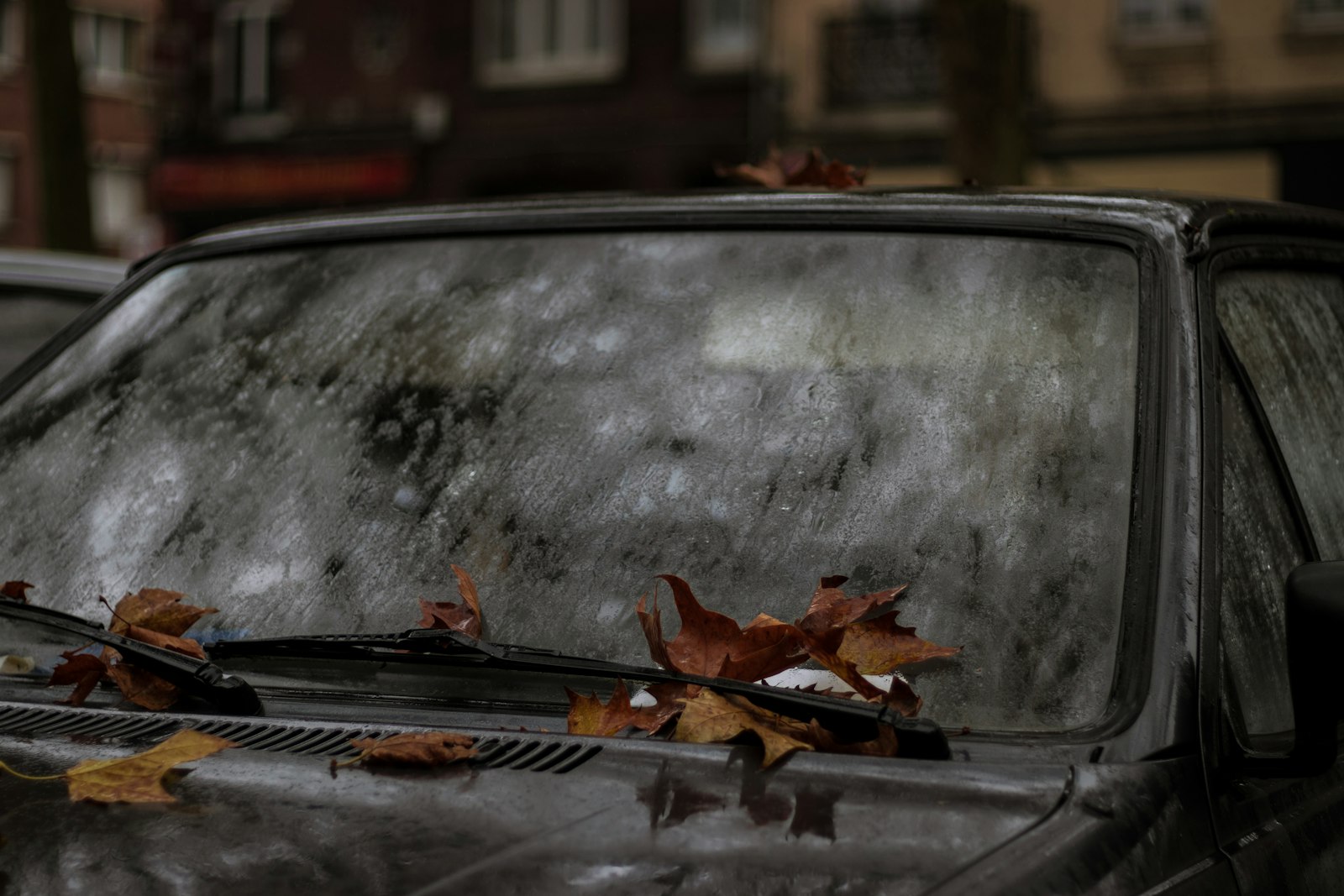
Rubber doesn't have an easy year in this climate. Summer sun and heat dry it out and make it brittle, and by the time fall rain arrives that brittleness already shows up as chatter and streaks. Then an Ontario winter goes to work on what's left — road salt, freezing rain, and the blade bonding to the glass overnight all tear up the edge quickly. Fall sits right between those two seasons, which makes it the one time of year a fresh set of blades gets a full season's use out of both halves of the punishment.
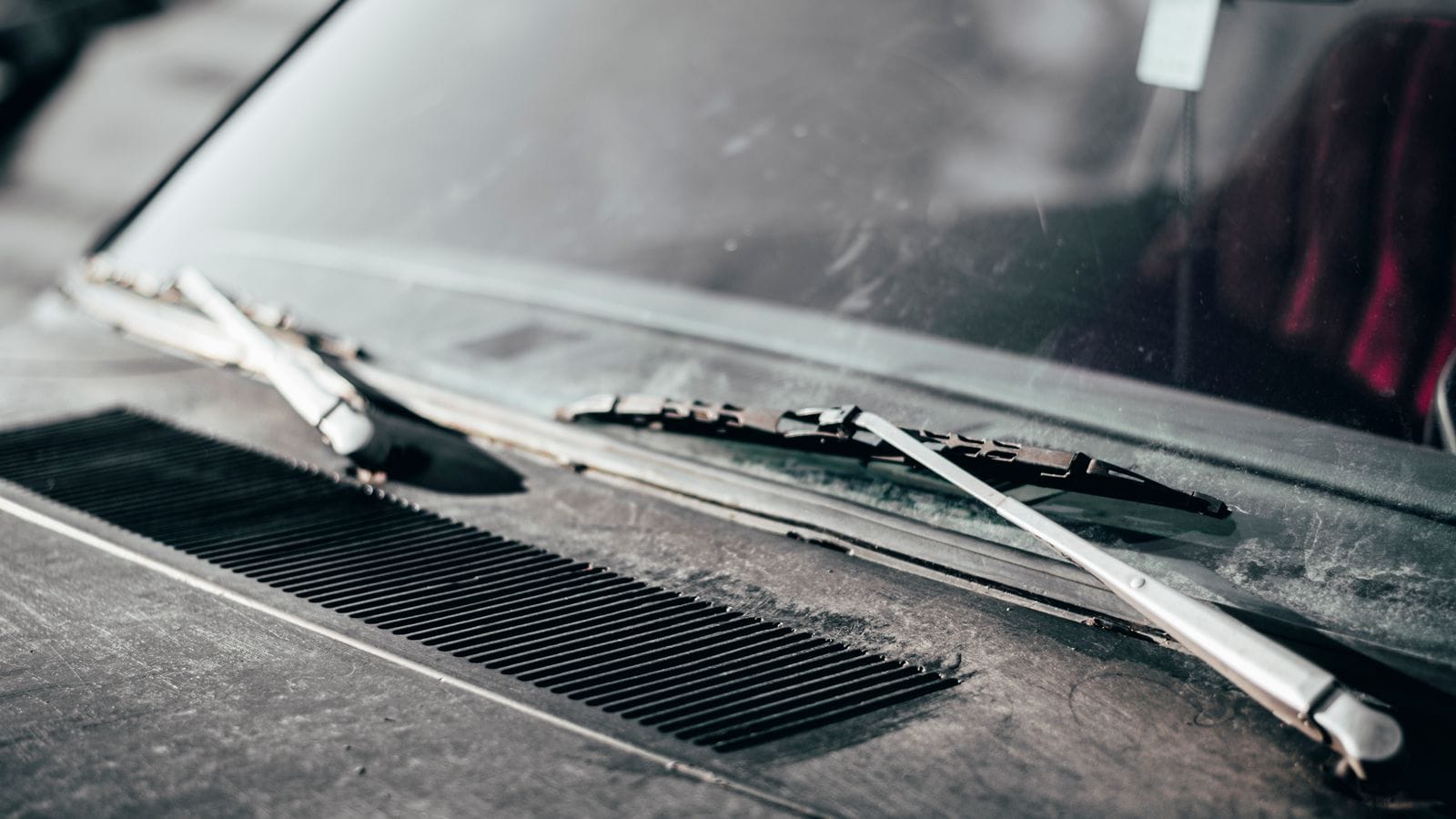
Signs Your Wipers Need Replacing
- Streaking, smearing, or chattering across the glass
- Rubber split, hardened, or lifting away from the blade
- Poor visibility in rain or slush
How Often They Actually Need Changing
There's no fixed interval printed in an owner's manual the way there is for an oil change — wipers wear with exposure, not mileage. As a rough guide, once a year is reasonable for most drivers in this climate, and often sooner after a hard winter, since nothing ages rubber like months of salt, ice, and sub-zero temperatures. If yours made it through last winter and haven't been touched since, they're due.
What a Wiper Blade Replacement Includes
A wiper blade replacement at Level Auto starts at $52 and covers both the front and rear.
- Correct-length blades fitted front and rear
- Wiper arm check
Front and Rear Blades Are Often Different Lengths
The two front blades are almost never the same length as each other, and most hatchbacks, wagons, and SUVs have a rear wiper too — the one people forget exists until it's streaking on a dark, wet drive home. We fit the correct length on both sides and check the rear blade at the same time, rather than assuming one size covers the whole car.
Why This Matters More Heading Into a Toronto Winter
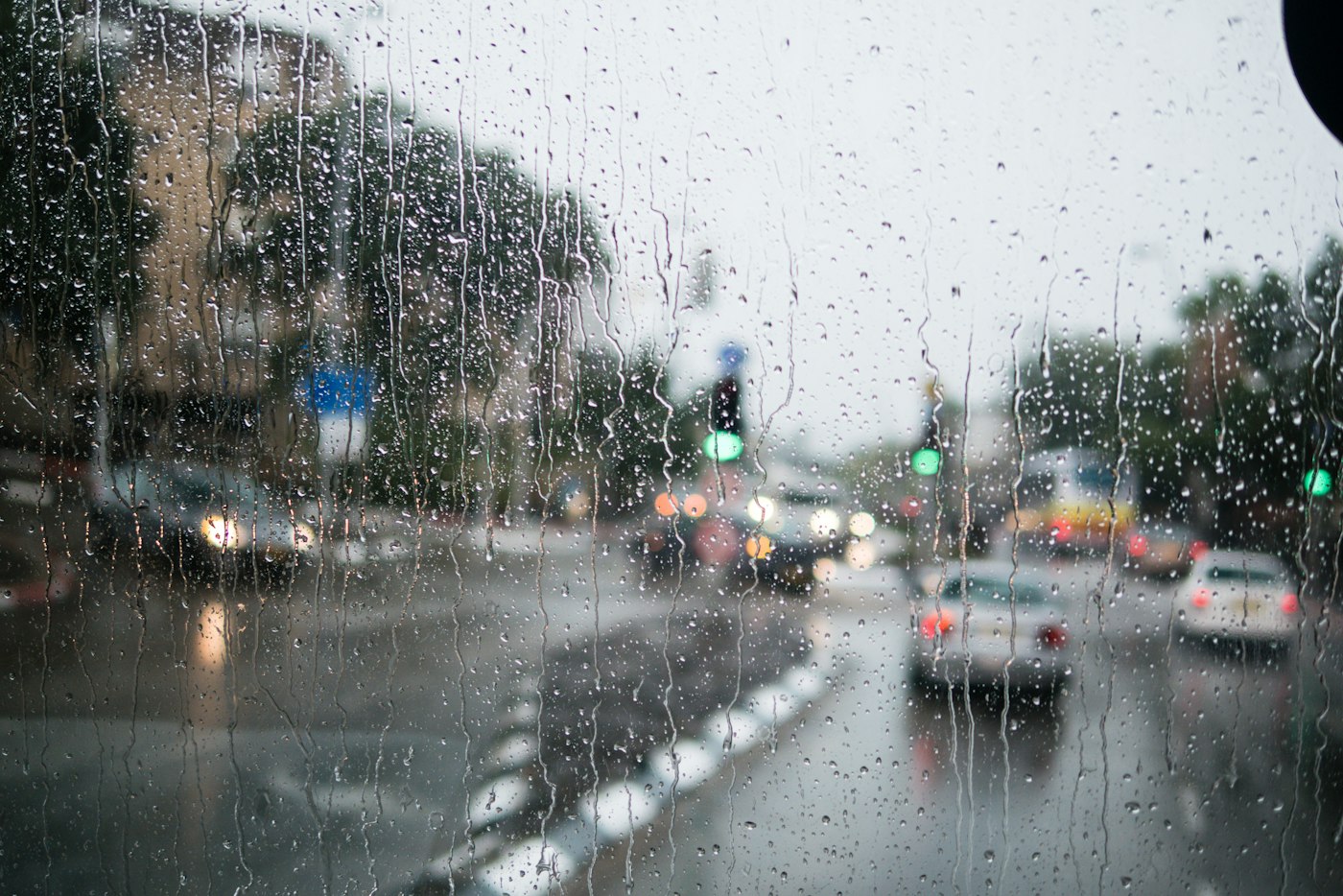
Visibility is already working against you from October on: daylight is shorter, rain is more frequent, and road spray off the 401 or the DVP cuts what you can see well before any snow falls. A blade that's chattering in October rain has no chance once sleet and freezing rain join it in December, and a windshield smeared by worn rubber is its own kind of blind spot — one that's entirely avoidable.
Thanksgiving weekend is usually when the rain turns steady rather than occasional, and by the time the clocks fall back in November, a good part of the afternoon commute happens after dark. A clear windshield in those conditions isn't a comfort item — it's how much warning you get before a stopped car ahead, a cyclist at the edge of the lane, or a patch of standing water.
Don't Scrape Frozen Wipers Off the Glass
Once the cold arrives, wiper blades freeze to the windshield overnight, and forcing them up or running them against the ice with the defroster on is one of the fastest ways to tear the rubber or burn out the wiper motor. A quick lift off the glass by hand before you start the car protects both — worth doing even with a fresh set of blades on.
If It's the Glass, Not the Blade
Sometimes what looks like a bad wiper is actually a chip or a crack in the glass catching the blade as it passes. If that's what's going on, it's a windshield problem rather than a wiper one, and worth having looked at separately before a winter temperature swing turns a small chip into a spreading crack.
Worth Doing at the Same Visit
Since the car is already in for a quick service, it's a good time to add a multi-point inspection, starting at $120. It covers fluid levels, brakes, tires, belts, and suspension along with the wipers — the exact list of things worth checking before a Toronto winter, done in one visit instead of several.
A Cheap Fix With an Outsized Effect on Safety
Of everything that can go wrong with a car before winter, a worn wiper blade is one of the least expensive to fix and one of the easiest to underrate. It won't strand you the way a dead battery will, or leave you with a four-figure bill the way worn brakes can — but for the few seconds it takes to react to something in the road, it's doing as much for your safety as almost anything else on the car.
Book Before the Cold Snap
Fall weekday appointments are easier to find now than they will be once temperatures drop and everyone remembers their wipers at the same time. If yours are already streaking, or you can't remember the last time they were changed, getting ahead of it now is the easier way to do it — we don't open weekends, so the same handful of weekday slots fill up fast later in the season.
Written by the team at Level Auto, Scarborough