When 7°C hits, most drivers in Scarborough are still thinking about the leaves, not their tires. But that number is exactly why the changeover conversation starts in September rather than after the first snowfall. All-season rubber is a compromise blended to stay flexible across a wide temperature range, and once the mercury settles below 7°C that compromise runs out — the compound stiffens and grip drops off, well before any snow is on the ground.
Not Just for Snow: What Changes in the Cold
It's tempting to think winter tires are only about ice and packed snow, but the bigger everyday difference happens on ordinary cold, dry pavement. A dedicated winter tire uses a softer compound built to stay pliable in the cold, along with a tread pattern cut with far more sipes — the thin zigzag slits across the tread blocks — that bite into snow and slush instead of just pushing through it. An all-season tire's compound is engineered around a warmer range, and once it drops below that range the rubber loses the flexibility that lets the tread grip the road surface at all. That shows up as longer stopping distances and vaguer steering on a plain dry road in December, not just in a snowstorm — which is why a lot of drivers who "only drive in the city" still notice the difference the first cold morning after a changeover.
When to Book Your Changeover
Toronto typically crosses that 7°C threshold in late October or early November, though a cold snap can arrive earlier some years. The two weeks either side of the first hard frost are the busiest of the year at every shop in the city, and we're closed weekends, so weekday appointments go fast. Booking in September or early October, while the weather is still mild, is what gets you a slot that suits your schedule instead of whatever's left once the forecast turns.
What a Seasonal Tire Changeover Includes
A seasonal tire change covers the swap itself. A couple of add-ons are worth considering while the wheels are already off the car:
- Swap of tires already mounted on their own rims (tires that need remounting are booked as a mount and balance)
- Pressures set
- Torque to specification, with a re-torque recommended after about 100 km
- Optional add-ons: a brake and suspension inspection, and TPMS reprogramming
A Second Set of Rims Is Worth It
If you can manage it, having your winter tires mounted on their own wheels makes every changeover quicker and cheaper than dismounting and remounting the same tires twice a year. It's also easier on the tire beads and on your TPMS sensors, which take wear every time a tire comes off and goes back on a shared rim.
How We Check If Your Current Set Will Get You Through
Winter tires don't wear out on a fixed schedule — it depends on how many seasons they've done and how they've been stored over the summer. When you bring the car in for the changeover, we check tread depth on all four corners and look the rubber over for cracking or hardening from age, then tell you honestly whether the set has another season in it or whether it's time to plan for new ones. There's no upsell in that conversation — a tire that's still doing its job doesn't need replacing just because a season went by.
If You Need New Winter Tires This Year
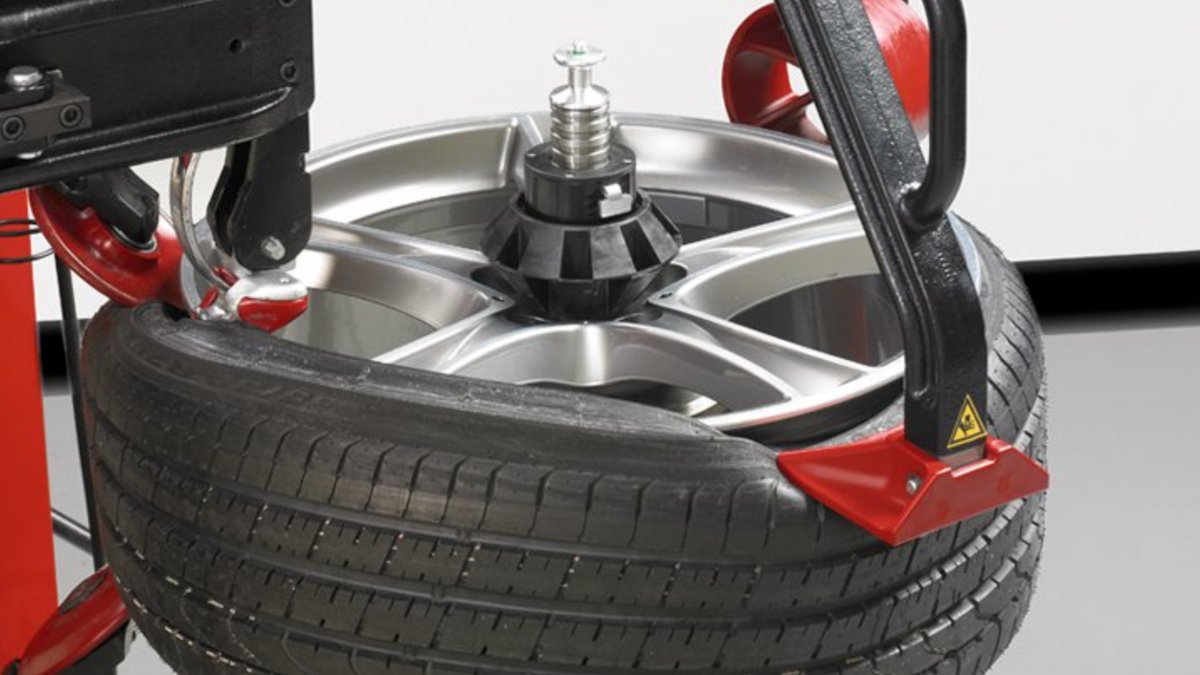
If your current set is aged out, or this is your first winter with a car that's never had dedicated winter rubber, our tire shop stocks a full winter range. Every tire goes on our touchless robotic mounting machine — nothing metal ever contacts the wheel, which matters most on polished, painted, or low-profile alloys. Mounting and balancing is priced per tire and depends on the tire's size and type, so you'll see the exact cost before you order rather than a single blended number.
While the Wheels Are Off: Brakes and Vibrations
Two things are worth checking at the same visit, because the car is already up and the wheels are already off.
Road salt corrodes caliper slide pins and brake hardware over a winter, which is why we build the interval for a brake service around the same changeover rather than a separate visit. It's preventive work on brakes that are still good — cleaning and lubricating the hardware so pads keep moving freely and wear evenly, rather than seizing and dragging.
If your car developed a highway-speed vibration last winter that a standard rebalance didn't fix, ask about Road Force balancing when you book. It presses a loaded roller against each tire to simulate the road, which finds stiff spots and out-of-round conditions ordinary spin balancing can't see — worth doing on a fresh set of winter tires so you're not chasing the same shake all season.
The Insurance Angle
Winter tires aren't mandatory in Ontario the way they are in Quebec, but most insurers here offer a discount for running a dedicated set — worth asking your broker about before you decide whether to switch. On packed snow and ice, the difference in stopping distance between all-seasons and winter tires isn't subtle, discount or no discount.
Book Before the Rush
Once the first cold snap hits, every weekday slot in the city fills up fast, and we don't open weekends to catch the overflow. Getting your appointment on the books now — while it's still just a Tuesday afternoon in September — is the easiest way to avoid driving into a cold snap on hardening rubber while you wait for a spot to open up.
Written by the team at Level Auto, Scarborough